
Is Puerto Plata safe? A practical guide for buyers and retirees
Is Puerto Plata safe? No place can honestly be called simply safe or dangerous, so the useful answer is what the official sources say and what precautions follow. Government advisories for the Dominican Republic ask visitors to take more care than at home, mainly because of crime, and they also flag health and weather risks. This guide summarizes them.
What do the official travel advisories say?
Two governments publish advice that most North American visitors read first. Neither one is specific to Puerto Plata alone, because they describe the whole country. Check the live pages before any trip, because levels and dates change.
| Source | Level | Main reason | Date shown |
|---|---|---|---|
| Government of Canada | «Exercise a high degree of caution» (second of four levels) | Crime | Updated 26 May 2026 |
| U.S. Department of State | Check the current level on travel.state.gov | See the page | See the page |
In plain words, the Canadian advisory asks you to be careful and does not tell you to stay away from the country as a whole. That is a middle level on a four-level scale, and it is not a guarantee of anything. Read the U.S. advisory yourself before you travel, because its level and date can change.
What does Canada say about crime?
The Canadian advice says crime, including violent crime, occurs nationwide, especially in major cities, and that police may be slow to respond outside resort and tourist areas. It describes these risks:
- Petty theft such as pickpocketing, bag-snatching and phone grabs is common, and drive-by robberies by people on motorcycles or bicycles occur.
- Violent crime, including armed robbery and assault, mainly happens after dark in large cities, and armed robberies of cars on roads at night are a concern.
- Sexual assault has occurred, including at major resorts and hotels.
- Card skimming, ATM fraud and online scams, including romance scams, are frequent.
- Protests can turn violent, particularly in Santo Domingo.
The Canadian page has no crime information specific to Puerto Plata. It does say ambulances are more reliable in major cities and tourist areas such as Puerto Plata, and it lists a Canadian honorary consul there.
What practical precautions make sense?
None of this means you should not go. It means you should travel like an informed visitor. These habits follow directly from the risks above.
- Keep valuables out of sight. Do not wear expensive jewelry or leave your phone on a table or in your hand on the street.
- Plan your evenings. Because violent crime is reported mostly after dark, use a trusted driver or a registered taxi at night rather than walking long distances.
- Avoid night driving on unfamiliar roads if you can, given the concern about night-time robberies of cars.
- Protect your cards. Use ATMs inside banks or hotels, cover the keypad, and check your statements for skimming.
- Be careful with online contacts. Romance and payment scams are reported. Do not send money to someone you have not verified.
- Share your plans with someone at home, and keep copies of your passport and insurance details.
What about health risks and vaccines?
The U.S. Centers for Disease Control and Prevention (CDC) lists recommended vaccines for the Dominican Republic. Besides keeping routine vaccines up to date, it recommends hepatitis A for unvaccinated travelers aged one year and older, and hepatitis B for unvaccinated travelers under 60. It also advises full MMR protection for all international travelers, in line with a global measles notice (Level 1, usual precautions) dated 28 May 2025.
On mosquito-borne illness, the Canadian advice lists dengue, chikungunya, Zika and Oropouche, so use repellent and cover up at dawn and dusk. For malaria, the CDC page recommends preventive medication in Azua, Elías Piña, La Altagracia, San Juan and Santo Domingo provinces, and only bite precautions elsewhere. Puerto Plata is not in that list. Both sources suggest seeing a travel-health provider well ahead of your trip, at least six weeks according to Canada.
Travellers’ diarrhea is common, so drink bottled or treated water. Medical care is good mainly in major cities, and private facilities may ask for payment upfront. Canada strongly recommends insurance that covers medical evacuation and hospital costs.
What about hurricanes and other natural hazards?
The Canadian advice says hurricane season runs from early June to the end of November, that storms can intensify quickly, and that you should be ready to change plans and follow local authorities. Heavy rain can cause flooding and landslides that make roads impassable. The country is also seismically active, and people on the coast are advised to learn the local tsunami evacuation plan.
If you own or plan to buy property, ask about the building’s structural design, emergency power and insurance. Long Beach has a full backup power plant for all apartments. Ask the sales team for the technical details you need.
Is it different for buyers and retirees?
The advisories are written for all travelers, so the same rules apply, but residents face additional questions. Where will you get medical care, and how far is it? Do you have health insurance that works in the country? Who checks your apartment when you are away? Is the building controlled-access? Visit during the season you would actually live there, walk the neighborhood at different times, and talk to residents.
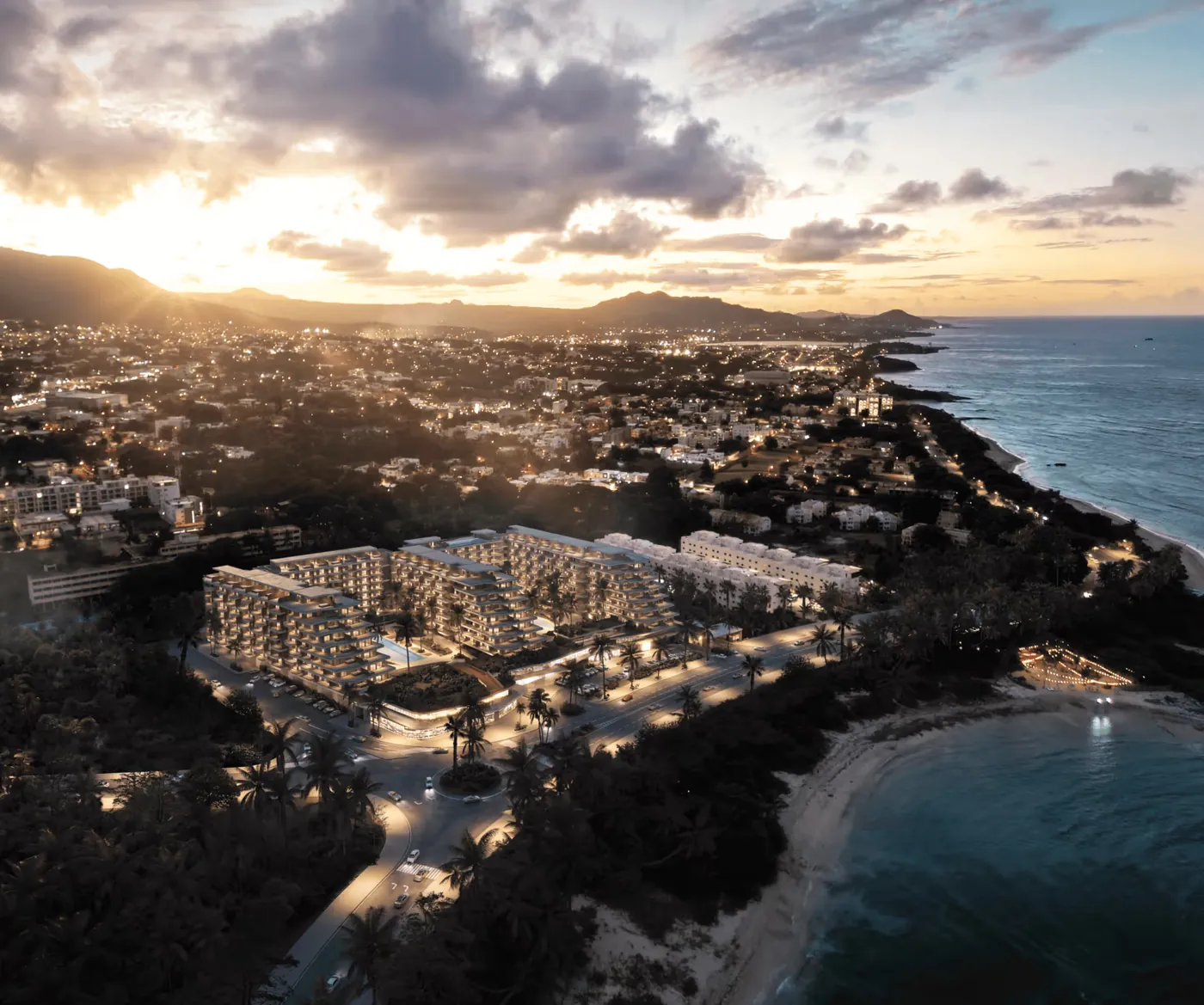
At Long Beach, access to the common areas is controlled and the site faces the Malecón. That is a feature of the project, not a safety guarantee. For location details, see the location page and the project page.
What should buyers watch for beyond street crime?
Financial scams are part of the picture, since the Canadian advice lists online scams and card fraud as frequent. If you are buying from abroad, never pay into a personal account, and confirm every payment instruction by phone with a number you found yourself. Ask who the developer is, what the contract says and where your money is held. Using an independent lawyer in the Dominican Republic is a sensible step.
Note too that the Canadian page mentions «pirate lawyers» who target detained foreigners near tourist police stations in Punta Cana. The general lesson applies anywhere: choose your own legal adviser, and do not accept help from strangers who approach you.
How can you judge a place yourself?
Official advice is the best starting point, but it is a snapshot. Before you commit, do the following:
- Read the latest U.S. State Department and Canadian pages the week you travel.
- Stay a few nights in the area before you buy, ideally in the season you plan to use.
- Ask your hotel or the sales team which areas to avoid after dark, and follow that advice.
- Speak with people who already live there and with an independent lawyer in the country.

The short answer
The official sources describe the Dominican Republic as a country where visitors should take more precautions than usual, mainly because of crime, plus health and hurricane planning. Many people travel and live in Puerto Plata every year, and sensible habits reduce most everyday risks, but they do not remove them. If you would like to see the area and compare it with other places, read our guide to Puerto Plata vs Punta Cana, or contact the sales team to plan a visit.
Frequently asked questions
Is Puerto Plata safe for tourists?
Official advisories ask visitors to take more care in the Dominican Republic, mainly because of crime. Canada asks travellers to exercise a high degree of caution. Sensible habits help, but they do not remove risk. Check the U.S. State Department page for its current level.
Where can I check the U.S. travel advisory for the Dominican Republic?
On the U.S. State Department's travel advisory page for the Dominican Republic (travel.state.gov). Advisories change, so read the current level, date and text before you travel, and compare with the Government of Canada page.
Do I need vaccines to visit?
The CDC recommends keeping routine vaccines current, hepatitis A for unvaccinated travelers aged one year and older, and full MMR protection. Malaria medication is advised only for certain provinces, and Puerto Plata is not on the CDC list. See a travel-health provider several weeks ahead.
When is hurricane season in the Dominican Republic?
The Government of Canada says hurricane season runs from early June to the end of November and that storms can intensify quickly. Heavy rain can also cause flooding and landslides. Follow local authorities, keep your plans flexible and ask about insurance and backup power.
What precautions should visitors take at night?
Canada reports that violent crime mainly happens after dark in large cities and that armed robberies of cars at night are a concern. Use a trusted driver or registered taxi, avoid long walks and unfamiliar night driving, and keep valuables out of sight.
Información general con fines orientativos. Consulta a un asesor legal o fiscal antes de tomar decisiones.
